
How often should you go to a cat groomer?
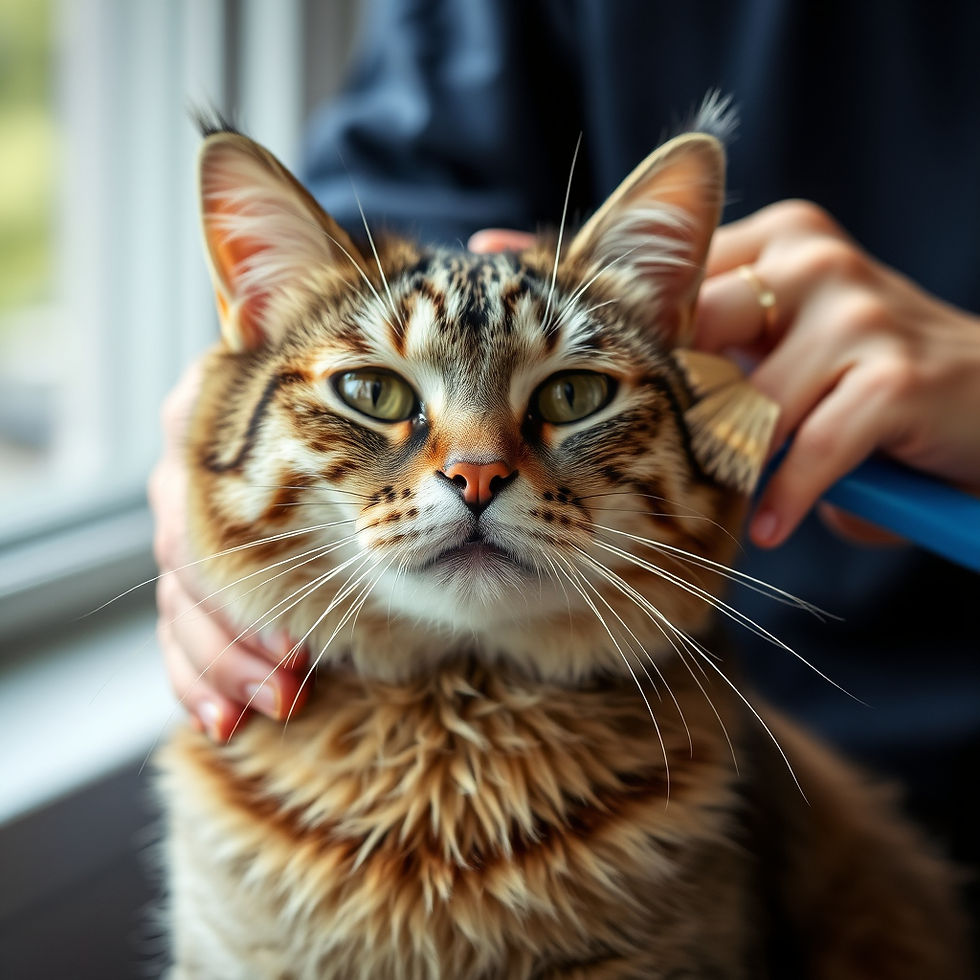
Cats are excellent self-groomers, but some coats need more help than others. The right routine combines regular care at home with professional grooming when needed, rather than treating every cat the same.
How Often Should Cats Be Professionally Groomed?
Professional grooming can help keep a cat's coat comfortable, remove loose hair and manage areas that are difficult to maintain at home. How often a cat needs an appointment depends on coat type, matting risk, health, age and tolerance of grooming.
There is no one-size-fits-all schedule. These are sensible starting points for customer guidance:
Cat or coat type | Home maintenance | Professional grooming |
Short-haired cats | Brush weekly; more often during seasonal shedding | As needed; many do not need routine appointments unless they have particularly dense coats such as British Short Hairs |
Long-haired cats | Gentle daily brushing and combing | Consider every 6-8 weeks if extra help is needed |
Senior cats of any coat type | Increase brushing as self-grooming declines | More regular appointments may help maintain comfort and hygiene |
An appointment should not be delayed if mats are forming, the coat is becoming impacted with undercoat or a cat is struggling to keep clean and comfortable.
Long-Haired Versus Short-Haired Cats
Short-haired cats are usually lower maintenance, but lower maintenance does not mean no maintenance. A weekly brush helps remove loose hair, reduce shedding around the home and gives owners a chance to check the skin and coat condition. Older cats, overweight cats and cats with reduced mobility may need more support, even with short fur.
Long-haired cats need more regular attention because loose hair can become trapped in the coat and develop into tangles or mats. Daily brushing and combing is often the best routine, especially behind the ears, under the front legs, along the belly and around the hindquarters. These areas can mat quickly even when the topcoat looks tidy.
Persians, Ragdolls and British Shorthairs
Persians are among the most high-maintenance cat breeds for grooming. Their coats are long, dense and prone to tangling close to the skin, so they usually need daily, thorough combing. Many Persian's also benefit from regular professional grooming to help keep the coat manageable and comfortable.
Ragdolls also need regular grooming, but their coats are often easier to maintain than a Persian's. Many do well with several careful combing sessions each week, though some will need daily grooming during heavier shedding periods or if tangles start to form. The key is to adapt the routine to the individual coat rather than assuming every long-haired breed needs exactly the same schedule.
British Shorthairs are short-haired, but their plush, dense coats still benefit from regular maintenance. They may not be mat-prone in the same way as long-haired breeds, but they can hold a surprising amount of loose hair, especially during seasonal coat changes. A weekly brush is usually a good baseline, with extra sessions when shedding increases. Some owners also book occasional professional grooming or deshedding appointments to help manage the dense undercoat and reduce loose fur around the home.
How Age Increases the Need for Grooming
Age can increase grooming needs, even in cats that were once very easy to maintain. Kittens may need gentle early handling so they become comfortable with brushing, combing and nail care, but the biggest change usually comes later in life.
As cats age, they may become less flexible and less thorough when grooming themselves. Arthritis, weight gain, dental discomfort and other age-related changes can make it harder for them to reach the back, hindquarters and underside. As a result, coats may become greasier, loose hair may build up and small tangles can develop more quickly.
This is why senior cats often need more frequent brushing and coat checks, regardless of whether they are short-haired or long-haired. Long-haired older cats are especially at risk of matting, but even short-haired seniors may need regular help removing loose coat and keeping the rear end clean. For some older cats, professional grooming becomes less about appearance and more about comfort, hygiene and quality of life.
Home Grooming Between Appointments
Professional grooming supports home care; it does not replace it. A few calm minutes regularly are usually easier for the cat than one long grooming session after the coat has already become difficult to manage.
Keep sessions short and positive. Groom when the cat is relaxed and reward calm behaviour.
Use the right tools for the coat. Soft rubber brushes or small combs suit many short-haired cats, while long-haired coats usually need a dual length moulting comb to check for hidden tangles.
Focus on problem areas. Check behind the ears, under the legs, around the belly and near the hindquarters.
Increase frequency during shedding seasons. Even cats that cope well most of the year may need extra brushing when they are blowing coat.
Do not cut out tight mats at home. Cat skin is delicate and can easily be injured. If in doubt, get in touch with a cat groomer for removal.
When to Recommend Professional Grooming
Professional grooming is especially helpful when home brushing is no longer enough. This can include:
early matting or compacted undercoat
difficulty grooming sensitive areas safely at home
heavy shedding in dense-coated cats
older, overweight or less mobile cats that are not self-grooming effectively
owners who are struggling to maintain a regular coat-care routine
A coat that suddenly becomes greasy, tangled or neglected can also point to an underlying health issue, so changes in grooming habits or coat condition may warrant a veterinary check as well.
Comments